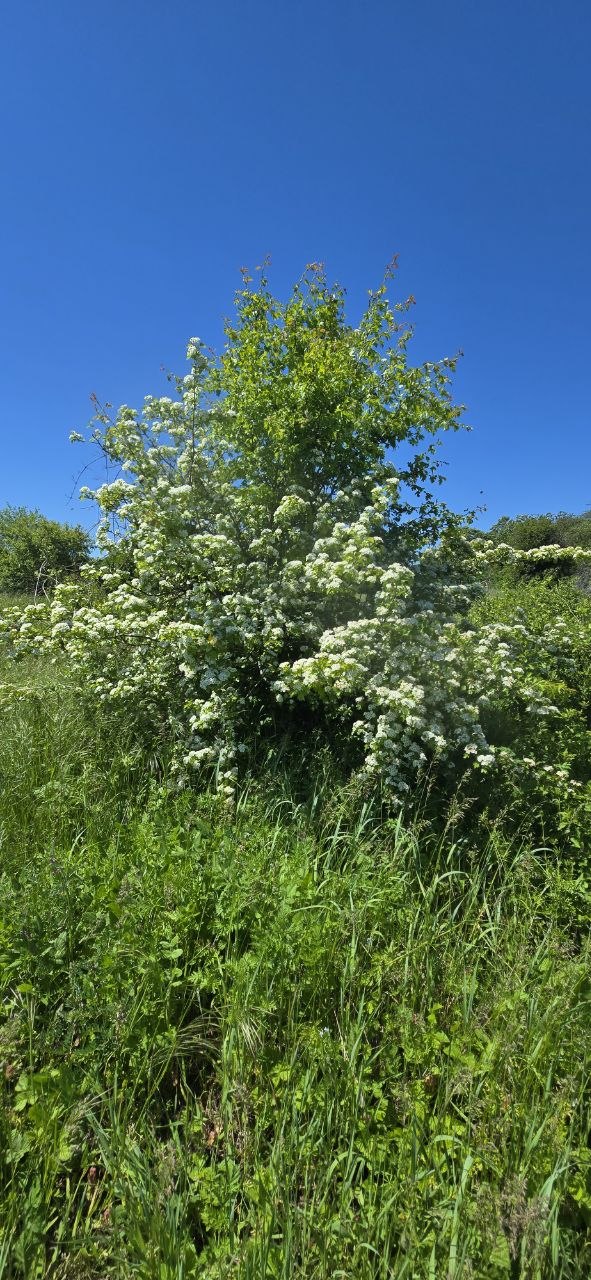
Like many people, we began to feel that the life we were living had become too fast, too fragmented and too disconnected from the things that make a human life feel whole.
We were not in crisis. We were not unhappy. But we had a growing feeling that there was a different kind of life available — one with more land, more nature, more time and a different relationship with the future.
We started looking. We were not sure what we would find, or where.
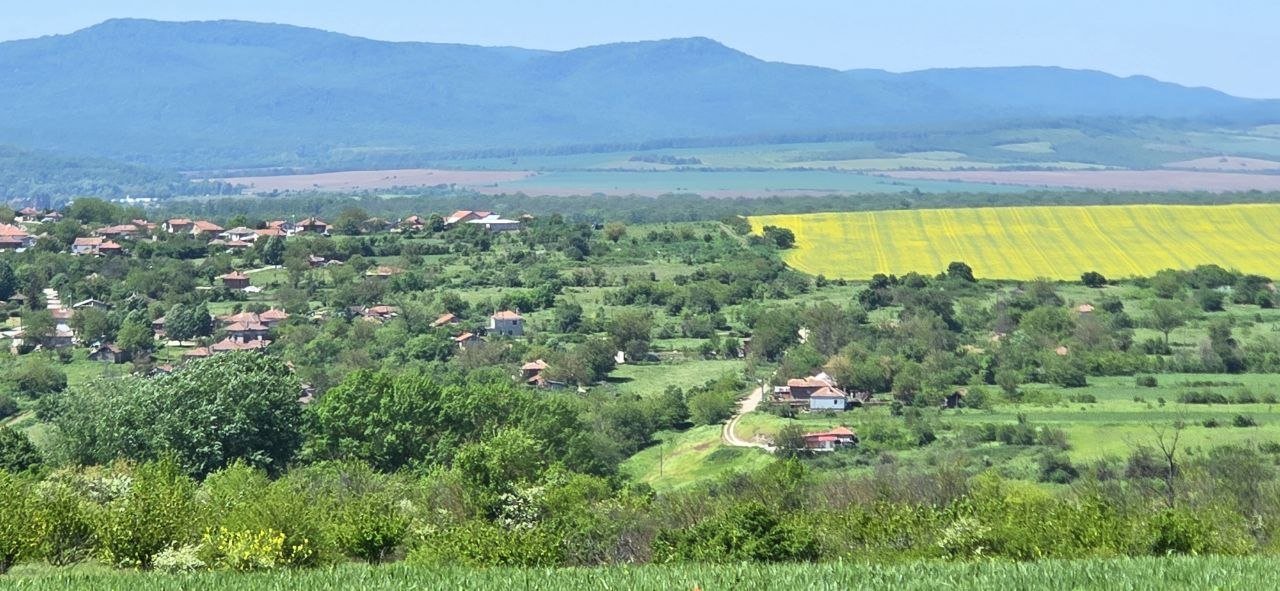
We spent time driving through villages in the Varna region — looking carefully, not just at the land but at the villages themselves as places where life was still happening.
Many were very quiet. Some were striking. Most had a particular quietness that felt less like peace and more like absence — streets with no one on them, houses with closed shutters, gardens untended. Beautiful in a way that made you feel the people had already left.
When we arrived in Venelin for the first time, we noticed something immediately.
There were people in the street. Older men sitting in front of their houses. Children on bicycles. A woman in her garden. The sound of a conversation from across the road. A dog asleep in the sun.
It was completely ordinary. And that ordinariness felt like exactly what we had been looking for. Village life was not a memory here. It was still present, still daily, still real.
One of us speaks Turkish. In this part of Bulgaria — the Varna province and the villages around it — many of the older residents speak Turkish as their first or most comfortable language. It is part of the historical and cultural texture of the region.
Being able to speak directly with older neighbours changed how people received us. It opened conversations that would otherwise not have been possible. We were able to ask real questions and hear honest answers — not as strangers passing through, but as people genuinely trying to understand.
Early on, we walked into the village office and introduced ourselves to the mayor. We asked him directly what he thought about foreigners who wanted to settle here — not as tourists, but as people who wanted to buy land, build a home and become part of the village.
He was welcoming. He spoke honestly about the village, about its people and about what he hoped for its future. That conversation mattered to us more than we expected.
We found our land. We started slowly, practically, without rushing — which is the only way something like this can be done.
We started with land. Then came the garden, the first plans, the first practical lessons, the first understanding of what it means to build a life slowly in a real village.
We are not creating a commercial project. We are building our own life here.
This website exists because we believe others may also be looking for something similar.
Only much later did we realise that this place reminded us of a story once read long ago in childhood — The Valley of the Moon by Jack London — about people travelling in search of a valley where they could build a home, grow food and create a simpler life closer to nature. At the time it was only a story. Years later, standing here in Venelin with vegetables and flowers growing side by side, the connection suddenly felt very real.
We know that finding a place is not only a practical decision.
It is also a question of values, timing, inner readiness and the kind of life a person wants to build. We share our story so that people who are exploring rural Bulgaria can feel whether Venelin may be worth seeing with their own eyes.